The Rise of the Solar Industry in India: Opportunities and Challenges
- Thajul haque

- Nov 21, 2025
- 4 min read
India is rapidly transforming its energy landscape, with solar power emerging as a key player in the country’s quest for sustainable growth. The solar industry in India has experienced remarkable growth over the past decade, driven by government initiatives, falling technology costs, and increasing awareness of environmental issues. This post explores the current state of the solar sector in India, highlights the opportunities it presents, and discusses the challenges that need to be addressed for continued progress.
Growth of Solar Power in India
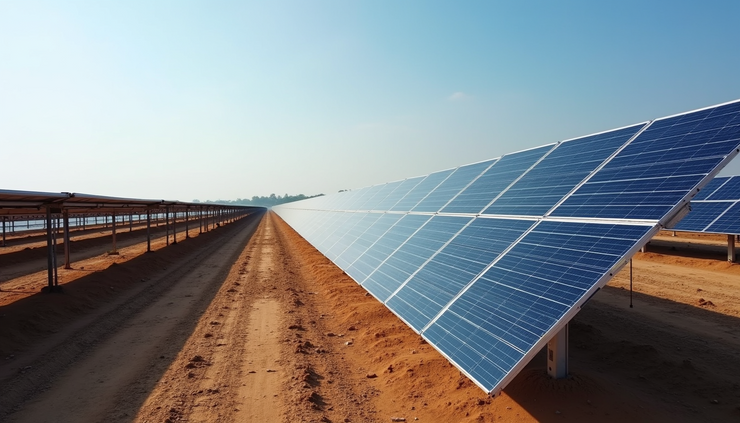
India ranks among the top countries globally in solar power capacity. The government set an ambitious target of 100 gigawatts (GW) of solar capacity by 2022, which has accelerated investments and project development. As of early 2024, India has installed over 65 GW of solar power capacity, making it the third-largest solar market worldwide.
Several factors have contributed to this growth:
Government policies and incentives: The introduction of schemes like the National Solar Mission and various state-level policies have provided subsidies, tax benefits, and favorable tariffs.
Declining costs: The price of solar panels and related equipment has dropped significantly, making solar power more competitive with traditional energy sources.
Private sector participation: Increased involvement of private companies and foreign investors has brought capital and expertise to the sector.
Technological advances: Improvements in solar panel efficiency and energy storage solutions have enhanced the viability of solar projects.
Opportunities in the Solar Industry
The solar industry offers multiple opportunities for India’s economy, environment, and society.
Economic Growth and Job Creation
The solar sector has become a significant source of employment. According to the International Renewable Energy Agency (IRENA), India’s renewable energy sector employed over 1.3 million people in 2022, with solar power accounting for a large share. Jobs range from manufacturing and installation to maintenance and research.
Expanding solar infrastructure also stimulates local economies by creating demand for materials, logistics, and services. Small and medium enterprises benefit from solar-powered irrigation, lighting, and electrification, especially in rural areas.
Energy Security and Access
Solar power reduces dependence on imported fossil fuels, enhancing India’s energy security. It also provides a decentralized energy solution, enabling electricity access in remote and off-grid regions. Solar microgrids and rooftop solar systems have improved energy availability for millions of households and businesses.
Environmental Benefits
Solar energy produces no direct greenhouse gas emissions, helping India reduce its carbon footprint. The country aims to meet 50% of its energy needs from renewable sources by 2030, aligning with global climate commitments. Solar power also reduces air pollution, which is a major health concern in many Indian cities.
Innovation and Technology Development
India’s solar industry encourages innovation in areas such as energy storage, smart grids, and hybrid systems combining solar with wind or biomass. Research institutions and startups are developing new materials and technologies to increase efficiency and lower costs.
Challenges Facing the Solar Industry
Despite its rapid growth, the solar sector in India faces several challenges that could slow progress if not addressed.
Land Acquisition and Environmental Concerns
Large-scale solar projects require significant land, often competing with agriculture and natural habitats. Acquiring land can be complicated by legal disputes, local opposition, and environmental regulations. Finding suitable sites that minimize ecological impact remains a challenge.
Grid Integration and Infrastructure
The intermittent nature of solar power requires a robust grid infrastructure to manage supply and demand. Many regions in India face issues with grid stability, transmission losses, and inadequate storage capacity. Upgrading the grid and integrating energy storage solutions are critical for maximizing solar power use.
Financing and Investment Risks
While costs have fallen, upfront investment for solar projects remains high. Financing can be difficult for smaller developers due to perceived risks, regulatory uncertainties, and fluctuating tariffs. Ensuring stable policies and access to affordable capital is essential for sustained growth.
Quality and Maintenance
Rapid expansion has sometimes led to quality issues with solar panels and installation. Poor maintenance can reduce system efficiency and lifespan. Establishing standards, certification processes, and training programs for technicians is necessary to maintain performance.
Policy and Regulatory Challenges
Frequent changes in policies, delays in approvals, and inconsistent regulations across states create uncertainty for investors and developers. Clear, long-term policies and streamlined procedures would improve confidence and encourage more investment.
Examples of Successful Solar Initiatives in India
Several projects and programs demonstrate the potential of solar power in India:
Rewa Ultra Mega Solar Park in Madhya Pradesh is one of the largest solar parks globally, with a capacity of 750 MW. It has attracted significant investment and helped lower solar tariffs.
Karnataka’s Solar Rooftop Program promotes rooftop solar installations on residential and commercial buildings, increasing distributed generation.
Solar-powered irrigation pumps have transformed agriculture in states like Punjab and Maharashtra, reducing diesel use and costs for farmers.
Solar microgrids in remote villages of Rajasthan and Odisha provide reliable electricity where grid extension is not feasible.
What Lies Ahead for India’s Solar Industry
India’s solar industry is poised for further growth, but success depends on addressing current challenges. Key focus areas include:
Expanding energy storage capacity to manage variability
Improving grid infrastructure and smart grid technologies
Encouraging domestic manufacturing to reduce import dependence
Enhancing policy stability and regulatory clarity
Promoting community involvement and sustainable land use practices
The solar sector can play a vital role in India’s transition to a cleaner, more resilient energy future. By balancing opportunities with practical solutions to challenges, India can continue to lead in solar power adoption and innovation.


Comments